
-
Odin's Raven Viking Seax Knife – Hand-Forged Carbon Steel
Regular price $69.99 USDRegular price -
Fenrir Hand-Forged Boning Knife – Viking-styled, with Sheath
Regular price $69.99 USDRegular price -
Hand-Forged Viking Dagger with Norse Carvings & Leather Sheath
Regular price $79.99 USDRegular price -
Hand Forged Viking-styled Neck Knife – Black Sheath
Regular price $39.99 USDRegular price -
Boar's Head Viking Seax Knife – Hand-Forged 4" Blade
Regular price $69.99 USDRegular price -
Raven-Hilt Viking Seax Knife – 5" Etched Carbon Steel
Regular price $85.00 USDRegular price -
Huntsman Viking Seax Knife – 10" Blade, Scout Sheath
Regular price $179.99 USDRegular price -
Viking Seax Knife – 11.5" Rosewood, Forge-Finished Blade
Regular price $99.99 USDRegular price -
Viking Seax Knife – 12" Blade, Forge-Finished Steel
Regular price $149.99 USDRegular price -
Full Tang Viking Seax Knife – Rosewood, 7.5" Blade
Regular price $129.99 USDRegular price -
Viking Seax Knife – 8" Blade, Stacked Leather Grip
Regular price $119.99 USDRegular price -
Damascus Viking Seax Dagger – Bone Grip, 8" Blade
Regular price $139.99 USDRegular price -
Langseax Viking Seax Knife – 13.5" Rune-Etched Blade
Regular price $129.00 USDRegular price -
Broken-Back Viking Seax Knife – Raven Pommel & Twin Sheaths
Regular price $89.99 USDRegular price -
Raven's Beak Viking Seax Knife – Hand-Forged 5.5" Blade
Regular price $75.99 USDRegular price -
Huginn & Muninn Viking Seax Knife – Raven-Etched Blade
Regular price $89.99 USDRegular price

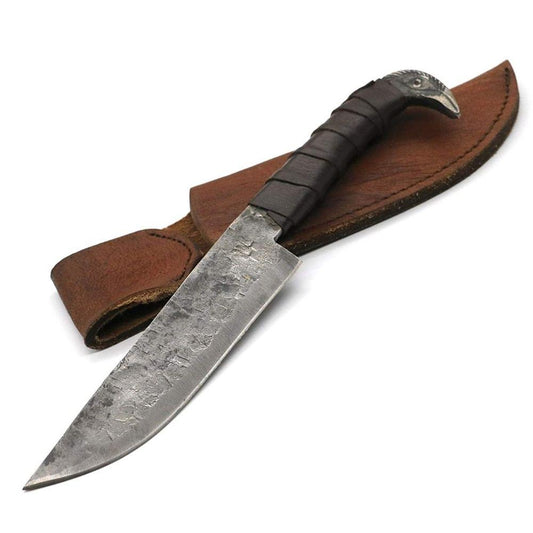

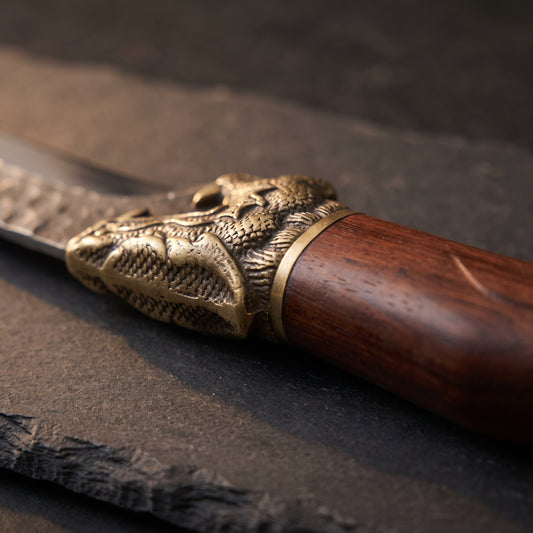

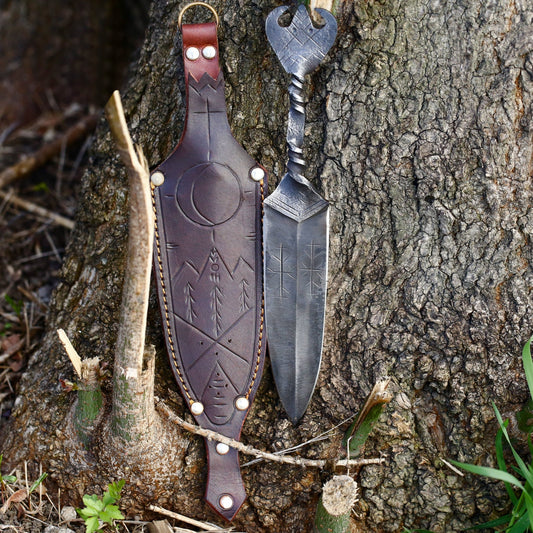

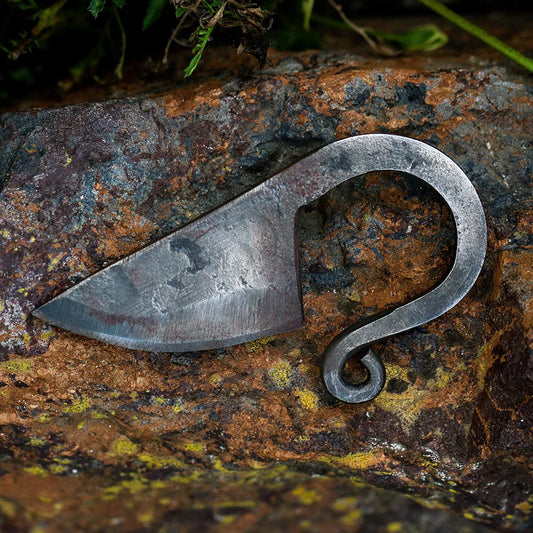

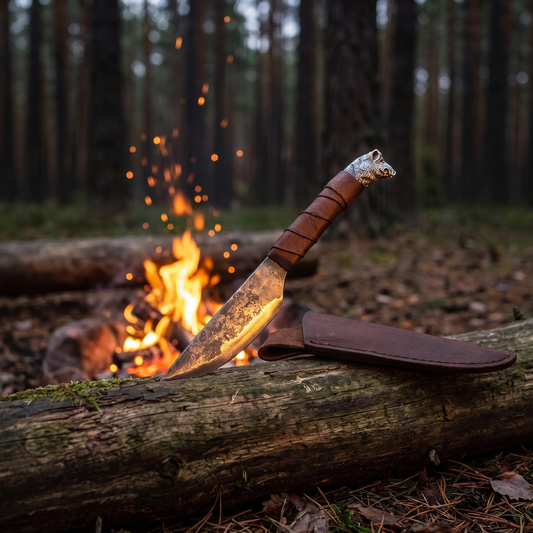

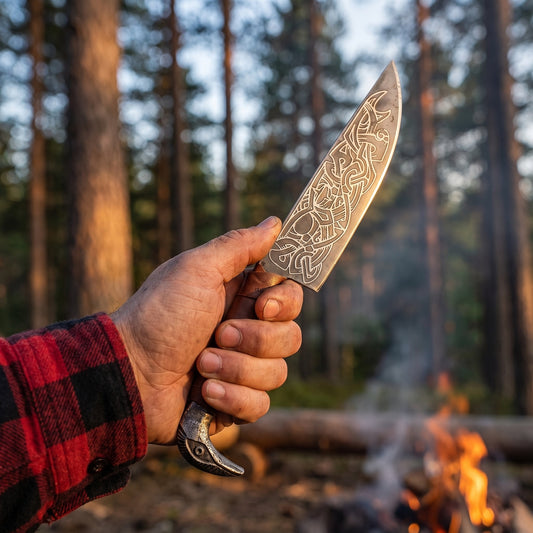

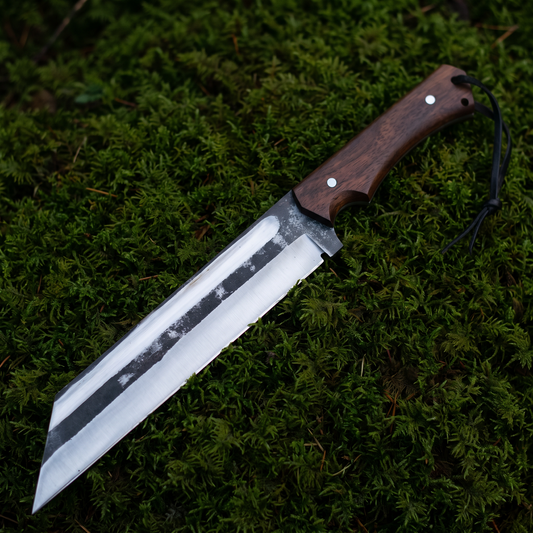

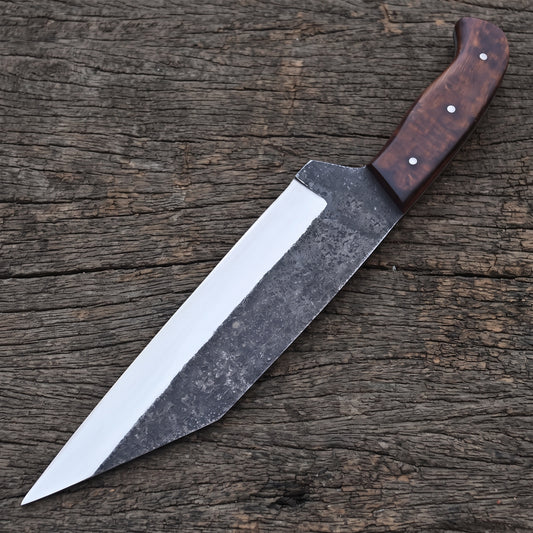

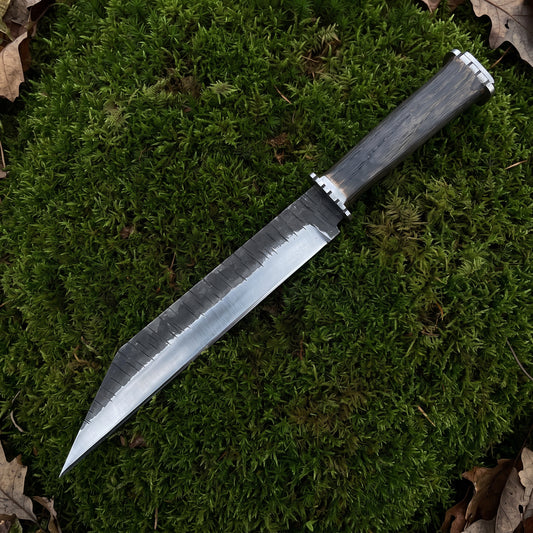

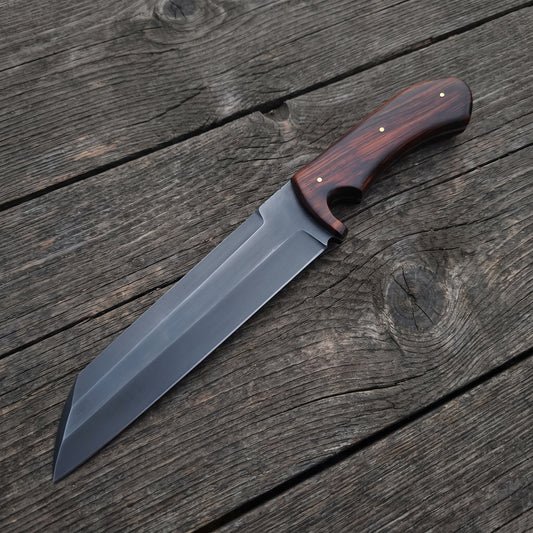

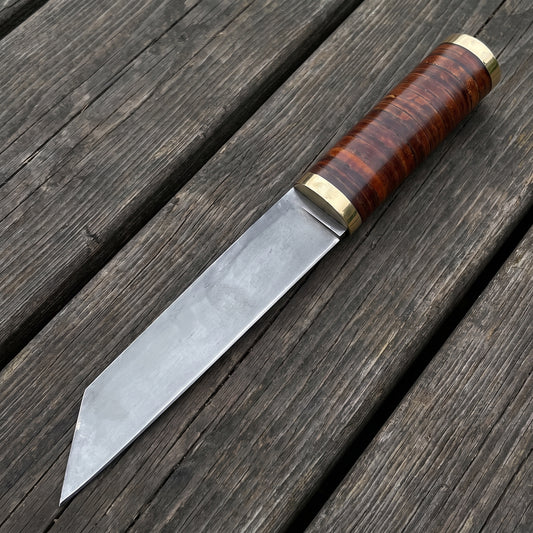

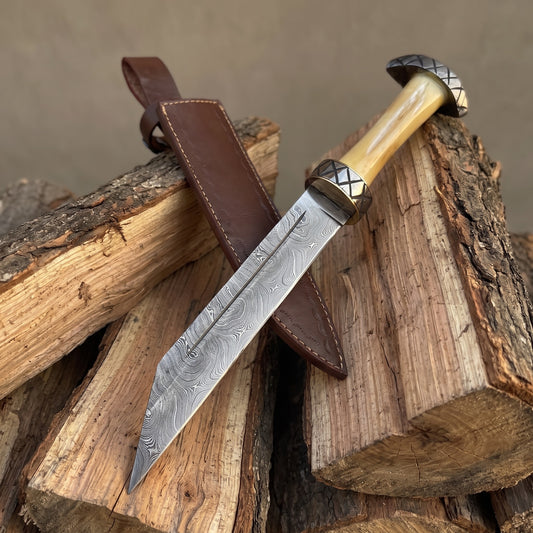

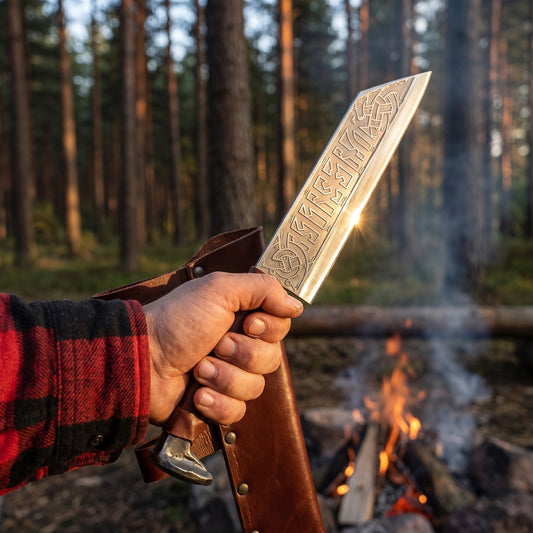

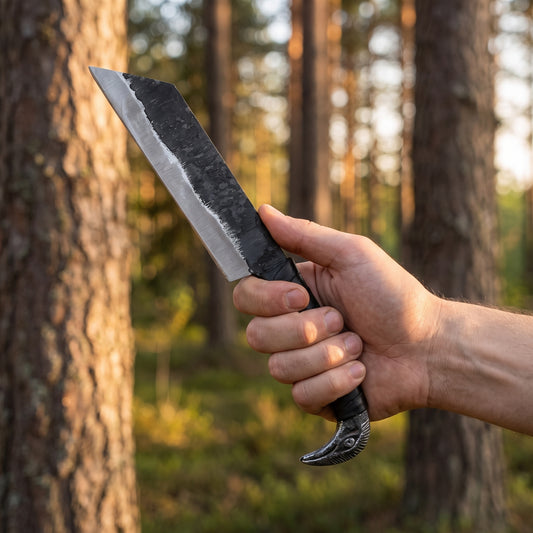

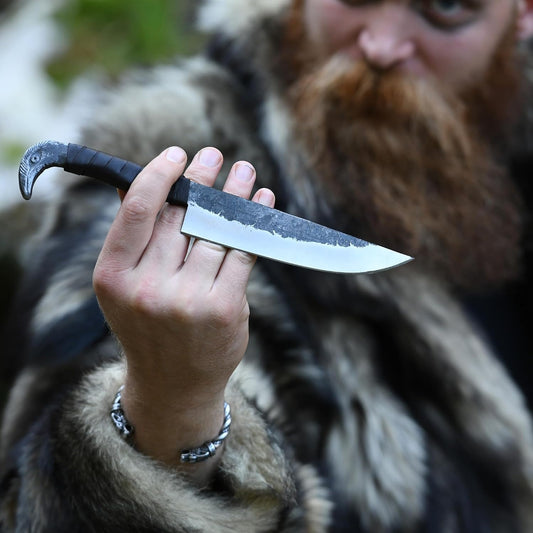

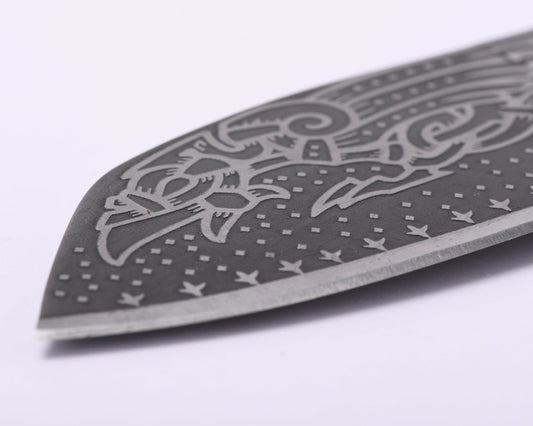
A Guide to the Seax and Viking-styled Knives
The knife was the one tool nearly every Viking carried, from the small utility blade to the larger seax. Our blades are hand-forged in that tradition, pairing worked steel with carved wooden handles and leather sheaths. Below is everything you need to choose the right one.
Types and styles
The collection spans compact utility and bushcraft blades for camp and outdoor use, larger seax blades in the historic Norse pattern, and detailed display and collector's pieces with carved handles. Each product page states whether a blade is a working tool or a display piece.
Steel, handles and sheaths
Blades are hand-forged from high-carbon or stainless steel. High-carbon steel takes and holds a keen edge and suits working blades, but needs oiling to prevent rust; stainless resists corrosion and is ideal for display. Handles are carved from hardwood, and most blades arrive with a genuine leather sheath for safe carry and storage.
Norse designs and their meanings
Many handles and blades carry carved runes and Norse knotwork, and some feature wolf or raven motifs from the sagas. To learn what the staves and beasts mean, read our guide to Norse mythology symbols and their meanings.
How to choose
Want a working blade for camp and bushcraft? Choose a high-carbon utility knife. After a historic look? Go for a seax. Buying to display? A carved collector's piece is ideal. You may also like our hand-forged Viking axes to complete the armory.
Care and safe handling
Keep high-carbon blades dry and lightly oiled to prevent rust, store the blade in its leather sheath away from damp, and occasionally treat the wooden handle and the leather. Handle and store blades responsibly, and always follow your local laws on buying and carrying them.
Seax and Viking-styled Knives, FAQ
What is a seax?
The seax is the single-edged knife carried by nearly every Viking, used for everyday tasks and for defence. It is the historic Norse blade pattern this collection is built around.
What steel are Viking-styled knives made from?
Our blades are hand-forged from high-carbon or stainless steel. High-carbon holds a keener edge and suits working blades but needs oiling, while stainless resists rust and is ideal for display.
Does a seax come with a sheath?
Most of our blades arrive with a genuine leather sheath for safe carry and storage. Check the individual product page to confirm what is included with a specific blade.
Are the blades functional or for display?
Some are working blades for camp and bushcraft, while others are display and collector's pieces. Each product page states which, so you can buy with confidence.
How do I care for a seax?
Keep high-carbon blades dry and lightly oiled to prevent rust, store the blade in its leather sheath away from damp, and occasionally treat the wooden handle and the leather.
Are there laws about buying knives?
Knife laws vary by country and region. Please make sure you meet your local age and carry requirements before ordering, and always handle and store blades responsibly.
Does a seax make a good gift?
Yes, for the right person. A hand-forged Norse blade is a meaningful gift for a collector, camper or reenactor, provided the recipient can legally own it where they live.
QUESTIONS